Ogga Par Time: How to Earn Your Second Star
Learn what Ogga par time means and fly cleaner routes to earn your second star without frantic corrections.
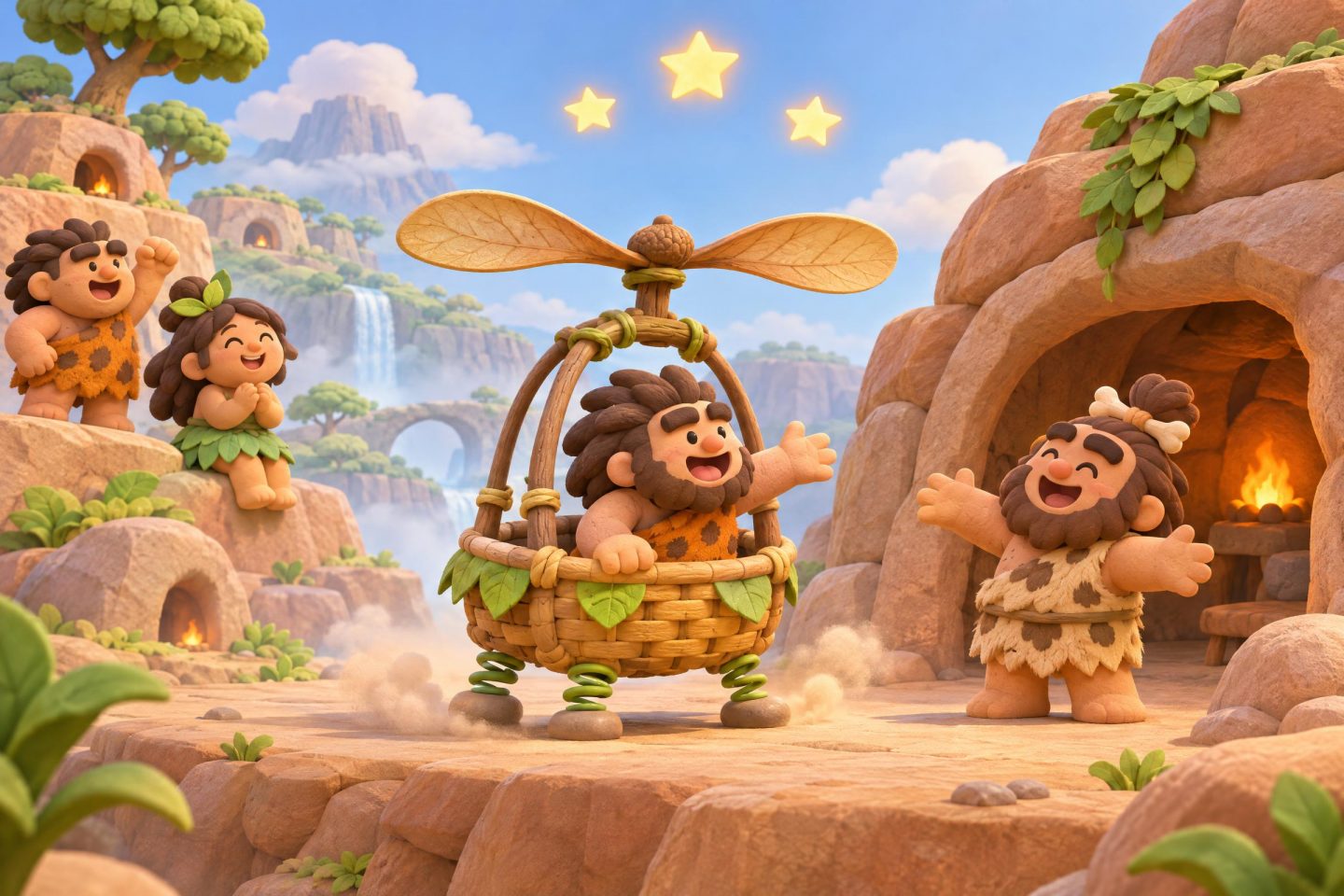
Ogga par time is the target clock for the second star on a level. Finish the deliveries before it, and that star is yours. The quickest route is usually the one with the fewest panic corrections.
Ogga par time is the second star target
Each level has three stars. One comes from finishing. The next comes from beating the par time. The last comes from that level’s own special goal. The par-time star does not ask for a perfect-looking flight. It asks for a clean finished run before the target clock.
| Star | What earns it |
|---|---|
| 1 | Finish the level. |
| 2 | Beat the par time. |
| 3 | Complete that level’s special goal. |
That makes the order useful. First, learn where every waiting villager needs to go. Then play for the Ogga par time. Save the special goal for a run where it fits naturally. Trying to force all three at once can turn a simple delivery into a restart.
Plan the route before the spring lifts you
Take a second at the start. The level is all on one screen, so the villagers, caves and obstacles are visible before the copter leaves the ground. Read the speech bubbles. Notice which pickup sits closest to a cave. Look for a ledge that would force a turn. A short route with one gentle bend often beats a direct-looking route that ends with a hard stop.

A route needs three pieces: the pickup, the safe flight line and the landing space. If the cave is below you, start easing off the climb sooner. If it is above you, build height while the copter still has open air. Those decisions happen before the tight part of the flight, not inside it.
Beat the Ogga par time with fewer corrections
Holding anywhere lifts off. The left and right sides steer. The middle climbs straight up. The spring runs down in the air and winds again on the ground, so a landing is more than a finish. It resets the next takeoff.
For an Ogga par time run, avoid treating every second like an emergency. Hold a direction long enough to make a real change, then ease back. Tiny left-right taps can make the basket wander. A late turn can send it past a cave. Both cost more time than a calm line from the start.
- Choose the next villager before taking off.
- Build height while there is clear space.
- Turn once, early, instead of correcting three times near the cave.
- Release before the landing point so the copter can settle.
- Let the spring wind on the ground, then leave for the next delivery.
The route is not always a straight line. A wide curve can be faster when it keeps the rotor clear of rock walls and gives the basket a steady approach. Think of each landing as the start of the next route, not the end of the last one.
If you miss the par time, change one part
A missed target is useful information. If the flight felt smooth but the clock was close, pick a shorter order for the next run. If the flight had several saves, fix the first rough turn. If the last arrival was heavy, release earlier and give the basket more room to fall. Do not rebuild the whole plan after every miss.
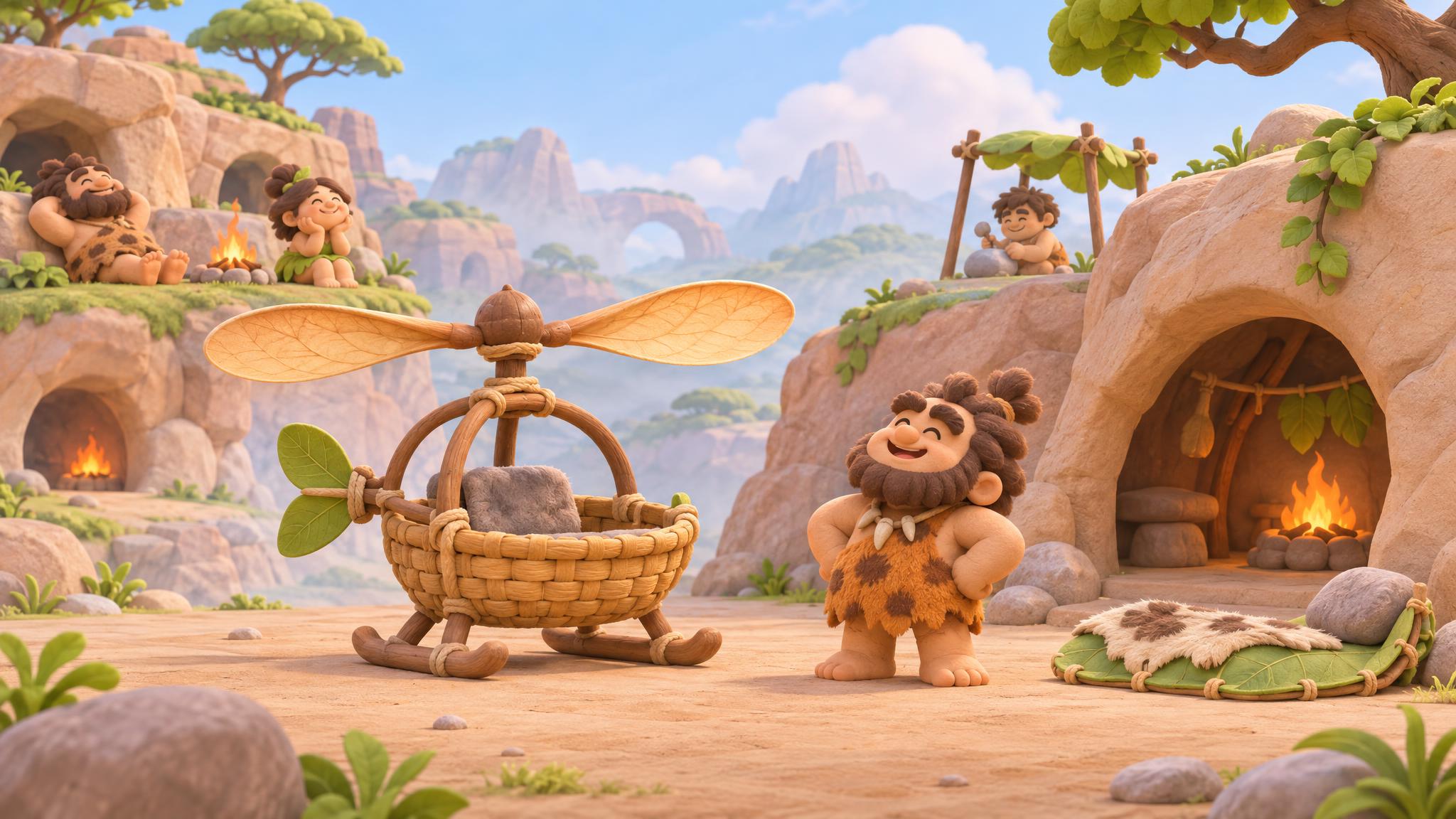
Some attempts end because a landing is too hard or lands on a villager. That is not wasted practice. It shows where the approach began to tighten. Try the same route again, but begin the descent one beat sooner. The best Ogga par time runs often look calm because the hard choice happened before liftoff.
Use the first star to build the second
A completed run already gives you the map in motion. Replay it and watch for the biggest pause: waiting too long to turn, climbing after reaching an obstacle, or drifting past a cave. Remove that one delay. Then test the next one. Small changes are easier to trust than a brand-new route.
For more landing practice, read the soft landing guide. The Storm Skies guide is useful when a flight line needs more thought. More flying help is in the Guides category.
Ready to test a calmer route? Play Ogga in your browser and take one level at a time.